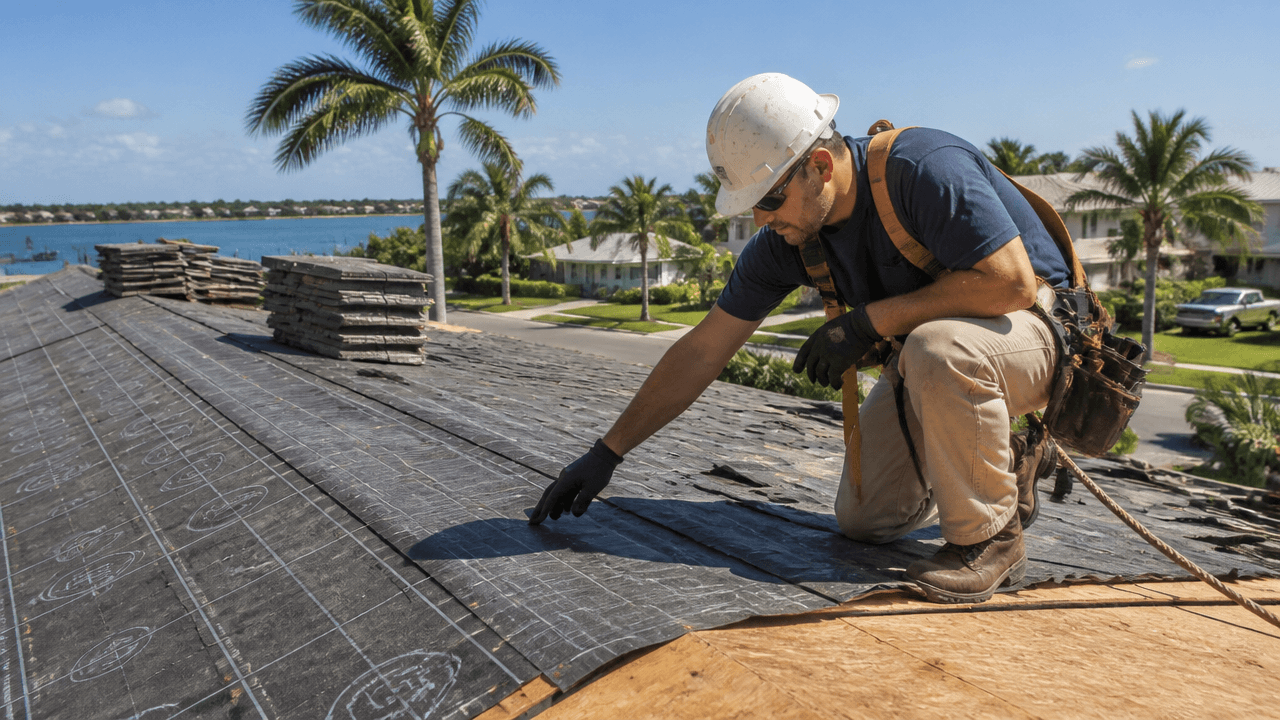
• Exploring TPO vs. PVC Roofing: Understand the differences between these systems and why they matter for Hobe Sound, FL homes.
• Weathering the Storm: Learn how each roofing type stands up to Florida’s harsh summer climate including heat, UV rays, and heavy rains.
• Installation to Maintenance: Get valuable tips on installing and maintaining your roof to ensure longevity and performance in Florida’s unique weather conditions.
Recognizing Roofing System Wear and Tear
When it comes to your home or business in Hobe Sound, FL, the roof is your first line of defense against the elements. Florida’s intense summer sun, along with the seasonal heavy rainfalls, can take a toll on roofing systems, making them susceptible to wear and tear. If you notice signs such as curled or cracked shingles, discolored areas indicating water damage, or a noticeable increase in energy bills due to poor insulation, it’s time to consider an inspection. These problematic signs are your cue that the roofing material may be failing and action is required to safeguard your property.
Preparing for Roofing System Upgrades
The tropical climate of Hobe Sound presents unique challenges for roofing materials, especially during the sweltering summer months. Homeowners should be alert to any signs of leakage after storms, which could signal a compromised roofing system. If you’ve observed that your cooling costs are climbing, despite no change in usage patterns, this could indicate your roof is not reflective or insulating as well as it should. Before delving into the specifics of TPO and PVC roofing systems, understanding these distress signals can help you recognize the urgency for a roofing system upgrade optimal for the Floridian weather.
Signs That Indicate a Professional Assessment is Needed
Taking proactive steps can prevent minor problems from turning into major, costly repairs. An expert roofing assessment is advisable if you find granules from shingles accumulating in gutters or if there’s unexplained mold or moss growth, which can deteriorate roofing materials if left unchecked. Water stains on ceilings or walls inside your home are a strong indicator of roofing failure. It’s essential to acknowledge these signs promptly, to ensure the continued protection of your property with a roofing solution that endures Hobe Sound’s climate, whether that be TPO or PVC systems.
Essentials of TPO and PVC Roofing Systems
Modern roofing technology offers robust solutions like TPO and PVC roofing systems, each with unique benefits adapted for the local climate. TPO roofs are heralded for their cost-effectiveness and energy efficiency, reflecting sunlight to keep buildings cooler during the blistering Florida summers. Conversely, PVC roofing is renowned for its durability and resistance to chemicals, ozone, and UV rays, all of which are abundant in Hobe Sound’s environment. Both TPO and PVC offer resilient options for roofing needs, so understanding these fundamentals is critical in making an educated choice for your property.
Distinguishing TPO from PVC in Performance and Longevity
When considering a new roof, it is vital to compare how TPO and PVC will perform under the harsh sun and frequent storms that characterize summers in Florida. TPO is generally praised for its strong heat-welded seams which become virtually inseparable, creating a tight seal against the elements. PVC, on the other hand, boasts a long track record of proven performance, with many installations lasting over two decades. Both materials are excellent choices, but nuances like these are what set TPO and PVC apart in their suitability for protecting homes and businesses against the dynamic weather patterns of Hobe Sound.
Step 1: Understand the Basics of TPO and PVC Roofing
Begin by exploring what TPO (Thermoplastic Olefin) and PVC (Polyvinyl Chloride) roofing systems are, their core properties, and why they’re popular roofing choices in Hobe Sound, FL, especially during the summer when durability against heat is a consideration.
Step 2: Compare Weather Resistance
Investigate how TPO and PVC roofing systems withstand the tropical summer climate of Hobe Sound, FL. Include facts about their performance in high temperatures, resistance to UV rays, and ability to handle the heavy rain and winds.
Step 3: Analyze Installation Processes
Detail the installation procedures for both TPO and PVC systems, emphasizing factors like time, complexity, and the impact of summer weather conditions on the installation process.
Step 4: Evaluate Durability and Lifespan
Explain the expected durability and lifespan of TPO vs. PVC roofing, considering Florida’s summer weather patterns that can affect roofing materials differently.
Step 5: Discuss Maintenance Requirements
Clarify the maintenance needs for each roofing type. Guide readers on regular inspection schedules during the summer and post-hurricane season checks, detailing what they should look for in both TPO and PVC roofs.
Step 6: Consider Eco-Friendliness
Provide insights into the environmental impact of TPO and PVC roofing materials, including energy efficiency and recyclability, especially in the context of the Floridian climate and ecological concerns.
Step 7: Calculate Cost Efficiency
Offer a comparison of the costs associated with TPO and PVC roofing systems, including initial installation and long-term maintenance, factoring in common summer season issues in Florida that might affect expenses.
Step 8: Summarize Pros and Cons
Conclude with a summary that weighs the advantages and disadvantages of TPO vs. PVC roofing for homes and businesses in Hobe Sound, FL during the summer season, aiding homeowners in making an informed decision tailored to their needs.
Introduction to Common DIY Roofing Mistakes
Embarking on a DIY roofing project without prior experience can lead to a range of mistakes that compromise the effectiveness and lifespan of your TPO or PVC roofing system. Homeowners often underestimate the technical knowledge required for these installations, especially considering the demanding weather conditions in Hobe Sound, FL. To ensure your roofing project is successful and durable, particularly during the intense summer months, it’s crucial to be aware of and avoid the following common errors.
Mistake 1: Incorrect Seam Welding
For TPO especially, seams must be heat-welded with precision to ensure a watertight seal. DIYers often lack the equipment or expertise to achieve the necessary weld strength. This can result in openings that allow water ingress, leading to leaks and damage. To prevent this, ensure you have the right tools and, if unsure, consult a professional.
Mistake 2: Inadequate Roofing Surface Preparation
Both TPO and PVC roofs require a clean, dry, and properly fastened substrate. Overlooking surface preparation can lead to poor adhesion and roof failure. Ensure the roofing deck is inspected thoroughly and prepared as per manufacturer specifications before installation.
Mistake 3: Not Accounting for Material Expansion
Both materials expand and contract with temperature changes, which is significant during Florida’s summers. Failing to accommodate this movement can cause buckling or gaps. Proper installation accounts for expansion by leaving enough space at the seams and securing the material appropriately.
Mistake 4: Ignoring Manufacturer Guidelines
Overlooking the specific installation guidelines put forth by the material manufacturer is a common misstep. These guidelines are crafted to ensure the highest performance of the roofing system. Adhering strictly to the instructions provided with your TPO or PVC materials will safeguard your roof’s integrity.
Mistake 5: Poor Flashing Installation
Incorrectly installed flashing leads to points of weakness where water can penetrate. Ensure that flashing is suitably sized and secured to prevent leaks, particularly around roof penetrations and edges, which are critical in storm-prone regions like Hobe Sound.
Mistake 6: Neglecting Regular Roof Inspections
Post-installation, a lack of regular inspections can allow minor issues to develop into serious problems. Schedule bi-annual inspections and additional checks after severe weather to maintain your roof’s condition and deal with reparations promptly.
Installation Practices for Optimal Roofing
Proper installation is key to maximizing the benefits of TPO and PVC roofing systems, especially considering the climatic demands of Hobe Sound. With TPO roofing, the focus is on the quality of seam welding, which when performed correctly, provides a secure and enduring barrier against water and wind. PVC installation, while similar in process, requires specialized attention to seam strength to ensure long-term performance and is particularly resistant to puncturing, an important consideration given the potential for falling debris during summer storms.
Maintenance to Prolong Your Roof’s Life
Regular maintenance is crucial for both TPO and PVC roofing to sustain their integrity through Hobe Sound’s seasonally harsh weather. A seasonal inspection can identify and address potential issues early on, such as wear around roof penetrations or seam integrity, which are critical to prevent leaks. For expert maintenance guidance and service, consider leveraging local expertise like GM Roofing’s repair services, who can provide a comprehensive approach to keep your roofing system in top condition, protecting your investment year-round.