• Assessing your commercial property for signs of poor ventilation like high indoor temperatures and moisture buildup
• Understanding the range of commercial roofing ventilation systems and selecting the best type for your property in Port St. Lucie
• Emphasizing the significance of professional installation to ensure system effectiveness and maintaining regular checks for optimal performance
Recognizing Ventilation Issues in Your Business Premises
When walking into your commercial property in Port St. Lucie, if the air feels stifling and warm despite the AC working overtime, it could be a telltale sign of inadequate ventilation. An efficient roofing ventilation system is crucial to dispel the heat trapped during Florida’s sweltering summers, keeping your indoor environment comfortable and protecting against heat damage. Excess moisture is another red flag, often manifesting as mold or mildew build-up, which not only can ruin property but can also cause health issues. It’s also wise to note any unusual spikes in energy bills, as these can indicate that your HVAC system is straining to compensate for the poor air circulation.
Decoding the Types of Commercial Ventilation
As you delve into available ventilation options, it’s essential to understand the different types that can impact your space. Exhaust vents and intake vents work in tandem to facilitate natural airflow, while powered fans provide a more aggressive approach to circulate air within large commercial spaces. Each system comes with its sets of pros and cons, optimized for different building designs and usage; therefore, it’s crucial to choose one that aligns with the specifics of your commercial building and the intense summer environment of Port St. Lucie.
Formulating Your Ventilation Needs
Before you can select an appropriate system, it’s imperative to measure your building’s ventilation requirements accurately. Utilize industry benchmarks to calculate the exact amount of ventilation needed, factoring in the square footage of your space, local climate conditions, and its primary commercial use. This step isn’t simply about compliance but about tailoring a solution that addresses your unique needs—ensuring your employees’ comfort and the longevity of your property throughout the seasons. Ultimately, it is this careful consideration and planning that can lead to a seamless integration of your chosen commercial roofing ventilation systems.
Selecting the Right Ventilation Solution
Choosing the best ventilation system for your commercial property in Port St. Lucie requires careful consideration of the unique structural demands and local building codes. Various systems offer different benefits: while natural ventilation options may be more cost-effective and require less maintenance, active systems like powered fans can be critical in large or complex spaces needing consistent air distribution. It’s important to select equipment known for its resilience against Florida’s extreme weather, ensuring that your investment remains sound over the long term. For a business owner, the peace of mind that comes from a well-ventilated property is as vital as the financial savings from an energy-efficient structure.
Professional Installation Maximizes Efficiency
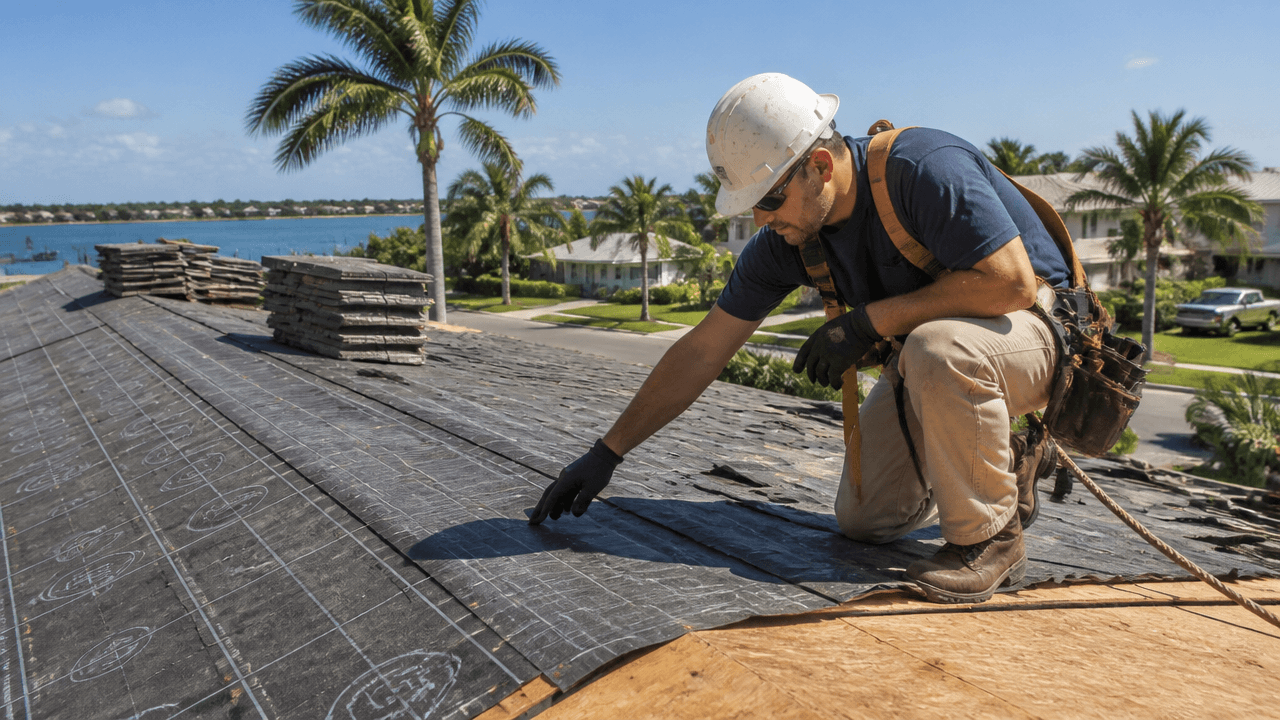
The installation of your chosen roof ventilation system is not a task for amateurs, especially when it comes to large-scale commercial properties. Ensuring a seamless integration of the ventilation system with your roofing structure not only guarantees its performance but also its safety and durability. A professional installation by experts, such as the team at GM Roofing, ensures that every aspect of your commercial roofing ventilation system is functioning at its best. Relying on certified technicians means the job gets done right the first time, preventing costly mistakes and providing optimal airflow and energy efficiency.
Step 1: Assess the Need for Ventilation in Your Commercial Property
Start by evaluating your current roofing system to identify signs that indicate poor ventilation, such as high indoor temperatures, moisture build-up, or energy inefficiency.
Step 2: Understand Ventilation System Types
Research the different types of commercial roofing ventilation systems available, such as exhaust vents, intake vents, and powered fans, to determine which kind suits your property best.
Step 3: Calculate the Required Ventilation
Use industry standards to calculate the proper ventilation needed for your commercial space, considering the size of the area, the climate in Port St. Lucie, and the building’s use.
Step 4: Select the Right Ventilation Equipment
Choose ventilation equipment that aligns with your property’s structural requirements and local building codes. Ensure the products are designed for commercial use and are durable for the summer season in Florida.
Step 5: Plan for Professional Installation
Opt for professional installation to ensure your commercial roofing ventilation system is properly integrated with your building’s roofing structure, providing effective and efficient airflow.
Step 6: Optimize and Test the System
Once installed, have the system tested to ensure it’s operating correctly. Make any necessary adjustments to optimize ventilation across different zones of the building for consistent air quality and temperature control.
Step 7: Schedule Regular Maintenance
Set up a maintenance schedule to ensure long-term performance. Regular inspections and maintenance will address any issues promptly, thus extending the life of your ventilation system.
Step 8: Monitor and Evaluate Performance
Keep track of the ventilation system’s performance, especially during the peak of the summer season in Port St. Lucie. Monitoring allows you to assess energy savings and overall effectiveness, making it possible to plan future upgrades or adjustments.
Avoiding Common Ventilation System Installation Mistakes
Ventilating your commercial building is not a task to be taken lightly. Mistakes in the planning or installation can lead to inefficient systems that fail to protect your property from the ravages of Florida’s heat and humidity. Here’s a rundown of common pitfalls to be vigilant against during the process of enhancing your commercial roofing ventilation.
Common Mistake 1: Neglecting to Properly Assess Ventilation Needs
Many DIY enthusiasts make the critical mistake of skipping a thorough assessment of their current ventilation status. Not accurately gauging the extent of the problem can lead to solutions that fall short or are unnecessarily complex, resulting in wasted resources and persistent issues.
Common Mistake 2: Choosing the Wrong Type of Ventilation System
Another frequent error is selecting ventilation systems that are ill-suited for a building’s specific needs. Exhaust fans, for example, might be powerful, but if improperly matched with intake solutions, they can create negative pressure issues, pulling in humid air and leading to more problems. A thorough understanding of system types can prevent these mismatches.
Common Mistake 3: Misjudging Required Ventilation Capacity
Underestimating or overestimating the required ventilation capacity can have enormous consequences. Oversizing can lead to excessive energy consumption, while undersizing won’t effectively mitigate heat and moisture. Accurate calculations based on industry standards are paramount to avoid these errors.
Common Mistake 4: Improper Installation of Ventilation Equipment
The consequences of incorrect installation range from reduced equipment efficiency to a shortened lifespan and even safety hazards. DIYers often lack the expertise needed for proper installation, highlighting the need for professional involvement, from selecting the right equipment to its final setup and testing.
Common Mistake 5: Neglecting Regular Maintenance Schedules
Overlooking the importance of a consistent maintenance routine can lead to the premature breakdown of systems. It’s crucial to establish and stick to a regular maintenance schedule to ensure that any wear and tear is addressed timely, keeping the system operational for as long as possible.
By steering clear of these common errors, you can significantly increase the efficiency and longevity of your commercial building’s roofing ventilation system. Remember that a bit of expert advice and professional service can go a long way in ensuring your ventilation meets the demands of the Port St. Lucie climate.
Maintaining Your Commercial Ventilation System
A regular maintenance schedule is key to the longevity and performance of your commercial roofing ventilation system. Seasonal check-ups, especially before and after the intense summer months in Port St. Lucie, can help prevent costly repairs and extend the lifespan of your system. Enlisting the services of trained professionals who can spot and fix any potential issues early is crucial for ensuring optimal operation year-round.
Tracking Ventilation System Performance
Monitoring your system’s performance is more than just a preventative measure; it’s an investment in your property’s operational efficiency. The data gathered can provide valuable insights into the system’s effectiveness and areas for improvement. For comprehensive service and expert advice on maintaining your system’s efficiency, consider scheduling a consultation with GM Roofing’s specialists, who are well-versed in maximizing roofing system potential.