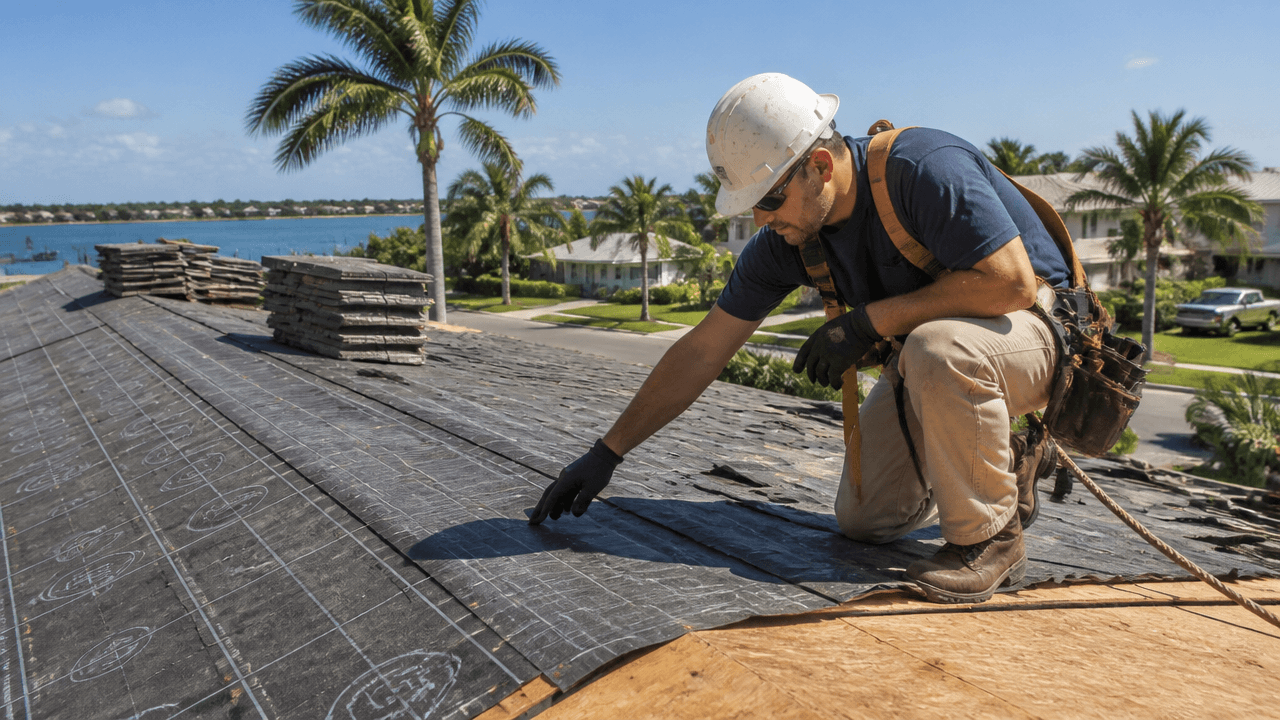
• Assess and improve your business’s roofing efficiency with our step-by-step guide
• Discover energy-efficient materials and learn how they can cut costs
• Expert advice on maintaining your roof to prolong its life and performance
Identifying the Need for Change
When walking around your business premises, it’s easy to overlook the silent guardian above—your roof. However, telltale signs of inefficiency often manifest in subtle, yet impactful ways. For instance, a sudden increase in energy bills can indicate poor roof insulation, causing your heating and cooling systems to overwork. Understanding these cues is crucial, as they point towards an urgent need for re-evaluation of your roofing materials and their energy-saving potential.
Material Matters: A Closer Look Does Wonders
Upon closer inspection, the material of your current roofing might clearly show signs of aging or wear that contribute to energy loss. Cracks, leaks, or faded surfaces on traditional roofing materials not only compromise the structure but weaken its ability to reflect heat. Switching to materials with high Energy Star ratings, such as cool roofing or green options, can dramatically alter your building’s thermal performance. Bear in mind that the sun’s relentless gaze is particularly unkind to inefficient roofing, especially during the searing Jupiter heat of summer.
Calculating the Costs and Savings
Before embarking on this energy-saving journey, it’s imperative to arm yourself with concrete figures. Grabbing an estimate of what you stand to save illuminates the path forward, and professional energy audits or online calculators can be invaluable tools. While upfront costs might seem daunting, balancing them against the long-term energy savings can offer a fresh perspective. Remember, every dollar saved on energy bills is a dollar earned towards your business’s growth.
Expert Advice Leads to Reliable Outcomes
Selecting the right specialist for your energy-efficient roofing for businesses is not a decision to be taken lightly. It’s paramount to partner with a team that not only brings verified expertise to the table but also a profound understanding of the local climate’s challenges. With a wealth of options available, from commercial roofing specialists to solar panel installers, aligning with those who offer tailored solutions for your business in Jupiter, FL, will be the key to your project’s success. Investigate their past commercial projects, request client testimonials, and don’t shy away from discussing their approach to incorporating energy-efficient roofing into your unique structure.
Insulation and Ventilation are Pillars of Energy Efficiency
In the push for a greener roof over your business, insulation and ventilation should not be overlooked. Building codes often underscore their necessity, but beyond compliance, they are the stalwarts in maintaining internal temperatures and reducing undue stress on your HVAC systems. Whether retrofitting an old roof or installing a new one, options like rigid foam, reflective barriers, or strategic vent placements can have a substantial effect on your energy consumption. The right balance between sealing tight and breathing right can translate into tangible savings on your utility bills, providing comfort within and without.
Step 1: Evaluate Your Business’s Roofing Needs
Assess your current roofing situation to determine areas for improvement. Consider the age, condition, and energy efficiency of your existing setup.
Step 2: Research Energy-Efficient Materials
Explore materials like cool roofing, green roofs, and solar panels. Look for products with high Energy Star ratings that promise better insulation and reflectivity.
Step 3: Calculate Potential Energy Savings
Use online calculators or consult with a professional to estimate how much energy and money you could save with an energy-efficient roof.
Step 4: Consult with a Roofing Specialist
Reach out to local experts in energy-efficient roofing for businesses to discuss options. Ensure they have experience in the field and understand your geographic location’s climate.
Step 5: Plan for Ventilation and Insulation
Good insulation and ventilation are crucial for maximizing energy efficiency. Determine the best options for your business’s location and structure.
Step 6: Consider the Long-Term Investment
While energy-efficient solutions may have higher upfront costs, calculate the return on investment over time through energy savings and potential tax incentives.
Step 7: Schedule the Roof Installation/Upgrade
Plan the installation during a time that minimizes disruption to your business operations, ideally when weather conditions are favorable.
Step 8: Maintain Your Energy-Efficient Roof
After installation, schedule regular inspections and maintenance to ensure the roof remains in optimal condition, preserving its energy-saving benefits.
Steering Clear of Common Energy-Efficiency Missteps
Embarking on the journey to energy efficiency for your business’s roofing can be fraught with potential missteps that may undermine your efforts. These mistakes, often born from misconceptions or a lack of knowledge, can impact both the effectiveness and cost-efficiency of your new roof. By being aware of some of these common pitfalls, you can better navigate the process and ensure that your energy-efficient roofing project yields the maximum benefits for your business.
Mistake 1: Neglecting a Thorough Roof Evaluation
Often, businesses jump straight into roofing projects without fully assessing the state of their current roof. This oversight might lead to a failure in addressing all areas needing improvement, resulting in suboptimal energy savings. Prevent this by conducting a comprehensive evaluation of your roof’s age, condition, and energy performance before making any decisions.
Mistake 2: Choosing Materials Based Solely on Cost
Selecting roofing materials based only on upfront cost can be shortsighted, as cheaper materials may not be as energy-efficient or long-lasting. This can lead to higher expenses over time due to increased energy bills and potential replacement costs. Research and invest in materials with high Energy Star ratings to ensure better long-term savings and performance.
Mistake 3: Underestimating Energy Savings
Many fail to calculate the potential energy savings correctly, which is vital for making informed financial decisions regarding roofing upgrades. Misjudging these savings could result in an unclear picture of the investment’s value. Use accurate online calculators or consult with energy-efficiency experts to understand the true potential of your roof’s energy savings.
Mistake 4: DIY Installation Without Proper Expertise
Attempting to cut costs by managing the roofing project in-house without adequate expertise can lead to improper installation and reduced energy efficiency. This mistake also poses significant safety risks and can violate local building codes. Ensure the job is done right by consulting with experienced local roofing specialists who understand the climate-specific requirements of Jupiter, FL.
Mistake 5: Overlooking Ventilation and Insulation Planning
Efficient roofing is not just about the outer materials but also involves proper insulation and ventilation. Ignoring these factors can lead to heat buildup, moisture problems, and energy inefficiency. Plan your roofing system with a focus on balance, utilizing expert recommendations on the best materials and design for your business’s structure and location.
Mistake 6: Short-Term Thinking on Investment Returns
Businesses may balk at the initial cost of energy-efficient roofing systems without recognizing the considerable ROI they present. By looking only at the short term, they miss out on the substantial energy savings and possible tax benefits that accrue over time. Consider the long-term financial and environmental ROI when evaluating your roofing investment.
Mistake 7: Poorly Timed Roof Installation
Scheduling a roof installation without regard to the seasonal weather can cause delays and additional costs. It’s crucial to plan the installation during a time that is least disruptive and has favorable weather conditions. Cooperation with your roofing contractor is essential to determine the ideal timing for your geographical area.
Mistake 8: Neglecting Regular Roof Maintenance
Post-installation, some businesses neglect the necessary maintenance their new energy-efficient roofing requires. Lack of maintenance can lead to decreased performance and a shortened lifespan for the roof. To maintain optimal efficiency, set up a regular maintenance and inspection routine to detect and address any issues promptly.
Planning Your Energy-Efficient Transition
A shift to energy-efficient roofing is a significant undertaking that requires careful scheduling to avoid disruptions in day-to-day business operations. Optimal timing is not just about the calendar but also involves understanding the best weather conditions and preparing for a smooth transition. It is wise to consult with professionals about the most suitable times of the year to carry out the installation, ensuring it aligns with both the seasonal weather patterns of Jupiter, FL, and your business cycle.
Maintenance for Continuous Efficiency
After the successful installation of your new, energy-efficient roof, establishing a routine for regular maintenance is essential. Regular checks will prevent minor issues from becoming major problems and sustain the roof’s energy-efficient performance over time. To ensure the longevity and effectiveness of your investment, consider setting up a maintenance schedule with a reputable service provider, such as GM Roofing’s roof repair and maintenance services.