• Discover what defines a Category 5 hurricane and its potentially catastrophic impact.
• Learn vital preparation strategies to safeguard your home and loved ones from extreme hurricanes.
• Find expert post-storm recovery advice and essential steps to take for safety and insurance claims.
Proactive Measures and Post-Storm Recovery
Informed vigilance is key when living in hurricane-prone regions. While we can’t control the weather, we can control how well we prepare for it. It’s critical to know local evacuation routes and have a well-rehearsed plan. Have a communication strategy in place with your family and neighbors, and agree on a secure and common meeting point if separated. In preparation, identify a safe room in your home, preferably without windows, to take shelter during the hurricane.
When a hurricane warning is issued, activate your plan swiftly. Secure your property, and if you don’t have impact-resistant windows, board them up to protect against high winds. Don’t forget to safeguard essential documents—place them in a waterproof container and take photos or videos as proof of ownership for post-recovery claims. Additionally, disconnect electrical appliances, and if possible, turn off gas and water supplies before you evacuate. Lastly, heed the call from authorities to evacuate; your life is irreplaceable.
After the storm has passed, return home only when it’s declared safe by officials. Begin a thorough but cautious inspection of your home, looking for structural damage which may require professional attention. Contact your insurance company as soon as possible to report any destruction and inquire about the claims process. Be wary of standing water and exposed power lines when returning to your property; safety should remain a paramount concern. Lastly, reach out to trusted local services to assist with repairs, showing support for community businesses while navigating through recovery.
Understanding the Fury of Nature
The mere mention of a Category 5 hurricane sends a shiver down the spine of anyone who’s familiar with the power of nature’s most destructive storms. When we talk about hurricanes of this magnitude, we’re not just discussing a bad weather day; we’re addressing a force that reshapes landscapes and redefines lives. Winds exceeding 157 mph herald a catastrophe that can obliterate infrastructure and leave communities grappling with recovery long after the storm has dissipated. It’s a sobering reminder that despite our modern advancements, we remain at the mercy of the elements—a fact that underscores the importance of preparation. In Stuart, FL, where hurricanes are a seasonal threat, understanding the sheer might of these storms is the first step in safeguarding our homes and loved ones.
As residents of Stuart, FL, we must discard any complacency derived from past experiences. Each Category 5 hurricane presents a unique set of challenges and potential havoc. Predicting the trajectory and intensity with absolute certainty is beyond our current capabilities; therefore, preparedness cannot be overemphasized. This reality propels us to look toward strong community infrastructure and personal readiness plans. Misjudging the power of these storms, or failing to respect their capacity for destruction, could result in irrevocable loss.
So, what marks the dawn of a Category 5 hurricane in the Atlantic Ocean? It’s not just the wind speed; it’s a complex interplay of atmospheric pressure, ocean temperature, and a multitude of meteorological factors. But one truth remains constant: these storms demand our attention and action. As we face the peak hurricane season in July, being informed is not a choice but a necessity—that is if we are to emerge on the other side, resilient and ready to rebuild. This is not only about survival; it’s about the ability to thrive post-calamity, and it starts with knowledge and action today.
Proactive Measures and Post-Storm Recovery
Informed vigilance is key when living in hurricane-prone regions. While we can’t control the weather, we can control how well we prepare for it. It’s critical to know local evacuation routes and have a well-rehearsed plan. Have a communication strategy in place with your family and neighbors, and agree on a secure and common meeting point if separated. In preparation, identify a safe room in your home, preferably without windows, to take shelter during the hurricane.
When a hurricane warning is issued, activate your plan swiftly. Secure your property, and if you don’t have impact-resistant windows, board them up to protect against high winds. Don’t forget to safeguard essential documents—place them in a waterproof container and take photos or videos as proof of ownership for post-recovery claims. Additionally, disconnect electrical appliances, and if possible, turn off gas and water supplies before you evacuate. Lastly, heed the call from authorities to evacuate; your life is irreplaceable.
After the storm has passed, return home only when it’s declared safe by officials. Begin a thorough but cautious inspection of your home, looking for structural damage which may require professional attention. Contact your insurance company as soon as possible to report any destruction and inquire about the claims process. Be wary of standing water and exposed power lines when returning to your property; safety should remain a paramount concern. Lastly, reach out to trusted local services to assist with repairs, showing support for community businesses while navigating through recovery.
Essential Hurricane Preparedness Strategies
Tip 1:
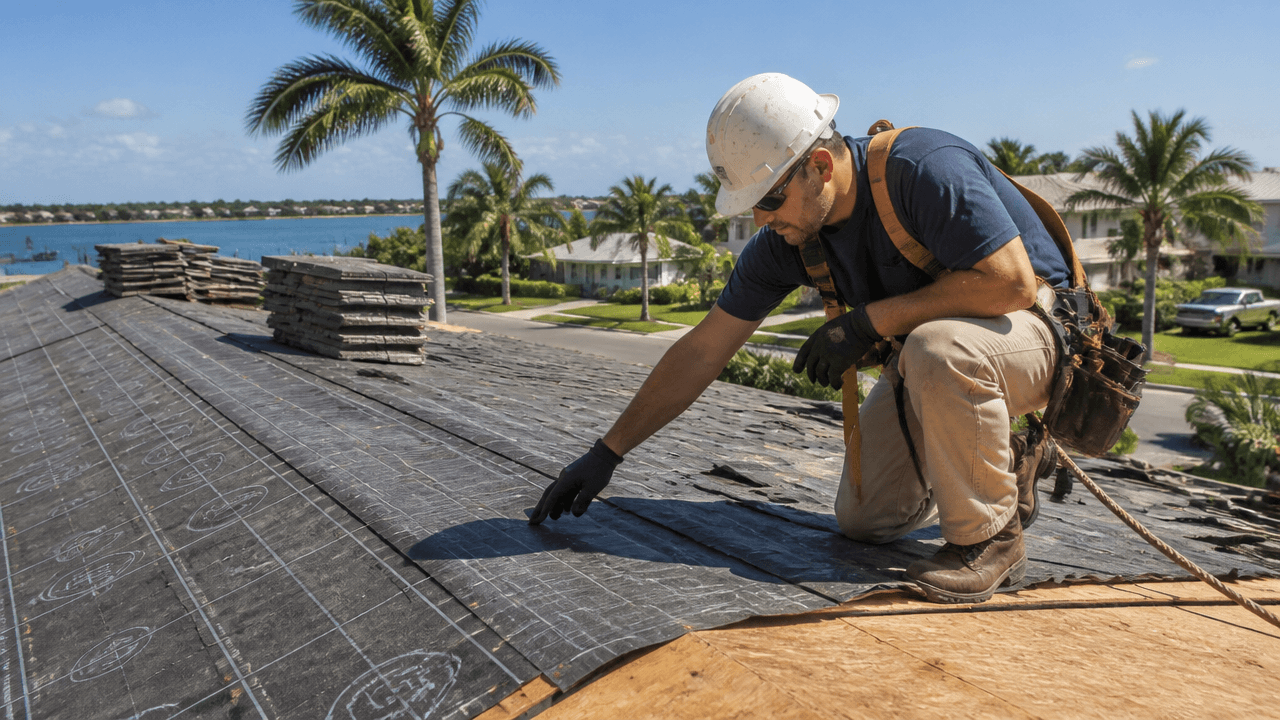
Before hurricane season begins, inspect your property and reinforce the roofing, windows, and doors, including garage doors, as these are vulnerable points during a storm. Ensure you know how to properly board up your windows with plywood or consider installing storm shutters for added protection.
Tip 2:
Create a detailed evacuation plan for your household that includes multiple routes, as major roads might be congested or closed. Make sure every family member knows where to go, how to communicate, and what to do in case you’re not together when an evacuation order is given.
Tip 3:
Assemble a comprehensive emergency kit with essential items such as non-perishable food, water for several days, medications, a flashlight, batteries, cash, and important documents in a waterproof container. Don’t forget to include additional items like a first-aid kit, chargers, and special-needs items for children and pets.
Tip 4:
Stay informed by monitoring weather updates and alerts from reliable sources. Invest in a battery-operated or hand-crank radio to receive information even if the power is out, and consider owning a NOAA Weather Radio for specialized warnings.
Tip 5:
After the hurricane has passed, cautiously inspect your home for any damages. Be aware of potential safety hazards like flooded areas, downed power lines, and structural compromises. Take photos of the damage for insurance purposes and contact your insurance company promptly.
Expert Answers to Your Hurricane-related Queries
How can I tell if a hurricane approaching my area is a category 5?
To identify a Category 5 hurricane, stay updated with the National Hurricane Center’s announcements, which provide information on the storm’s sustained wind speeds, typically above 157 mph for a Category 5.
What structural precautions should I take to protect my home from category 5 hurricane damage?
Consider installing impact-resistant windows and doors, reinforce your roof and garage door, and secure loose outdoor items to minimize potential damage from extreme winds.
What are the essential items I need in my hurricane safety kit?
Your safety kit should include water, non-perishable food, medications, flashlights with extra batteries, a first-aid kit, and important documents in waterproof containers.
How much time do I have to prepare once a category 5 hurricane is announced?
Preparation time can vary, but once a warning is issued, you may have only 36 hours or less before hazardous conditions begin, making immediate action crucial.
What are the first steps I should take after a category 5 hurricane has passed?
Ensure your safety first by checking for hazards like gas leaks or downed power lines, then document any property damage for insurance claims before starting cleanup.