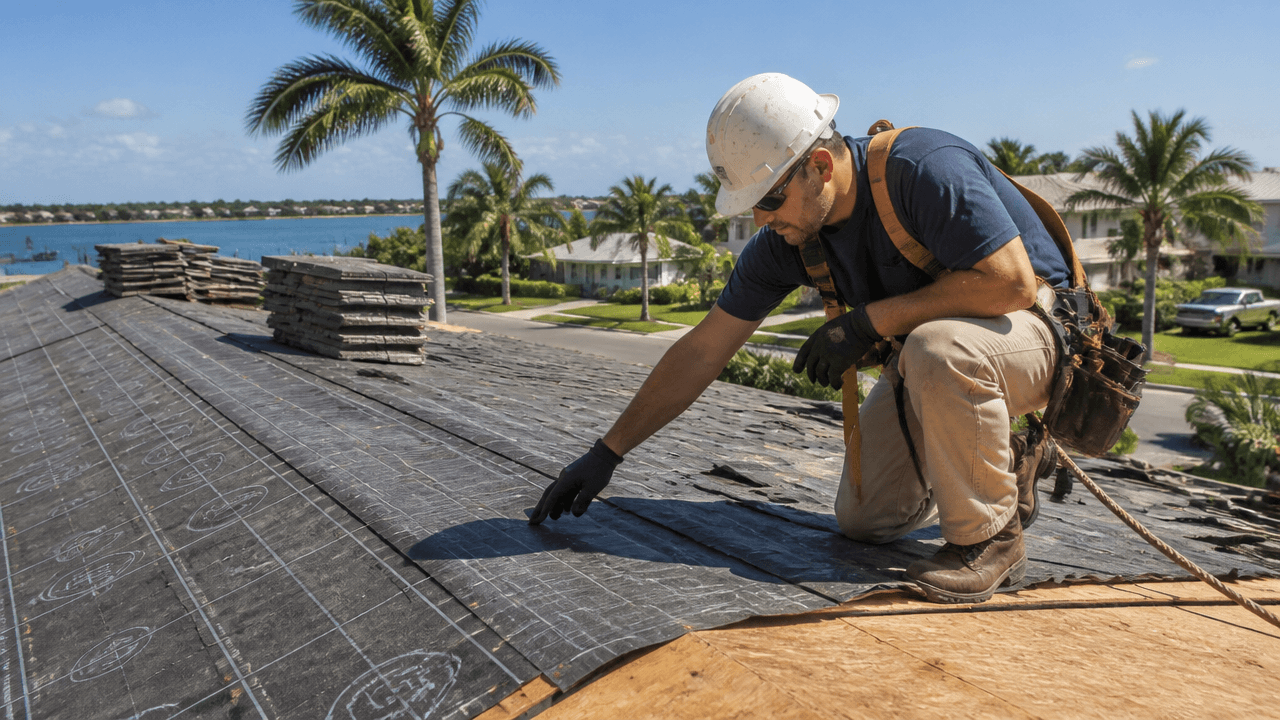
• Understanding Roof Wind Mitigation: Explore the basics of wind mitigation techniques to strengthen your roof against storm damage.
• Step-by-Step Guide: Learn actionable strategies to implement wind mitigation, from selecting the right materials to securing shingles and reinforcing roof-to-wall connections.
• Professional Assistance: Discover the importance of professional help in ensuring your roof’s wind mitigation is effective and up to code.
Understanding the Signs: When Your Roof Speaks
Your home’s first line of defense against the relentless Florida weather is undeniably your roof. Inspecting for missing or damaged shingles is a critical first step in assessing your roof’s condition and readiness to face Hobe Sound’s robust winds. A roof that’s approaching or has surpassed its expectancy can signal vulnerabilities, as aging materials may not offer sufficient wind resistance. Moreover, a simple visual check for signs of sagging or deformity can hint at underlying structural issues needing attention.
It’s not just what you see on the surface that matters; it’s also what less apparent signs can reveal about your roof. Water spots on ceilings or walls, for instance, suggest that water intrusion, a potential precursor to more severe wind damage, may have already begun. Look also for cracks in the sealant around vents and chimneys, where wind-driven rain can find an easy path into your home. Consistent, thorough inspections are therefore pivotal in preventing minor wear and tear from escalating into major concerns during storm season.
As you round out your preliminary roof inspection, remember to meticulously search for lifted shingles and gaps that could lead to catastrophic failure in the event of high wind scenarios. Emphasizing the importance of lateral connections—how your roof is anchored to the walls—can reveal the soundness of your roof structure. Understanding these signs empowers homeowners to preemptively address issues and fortify their homes against the fierce winds that January’s winter season may usher into Hobe Sound, FL. Stay vigilant, and remember that recognizing problematic signs early is your best strategy for maintaining a resilient roof over your head.
Maximizing Protection with Wind Mitigation Features
Wind mitigation is not just a precaution; it’s a strategic approach to safeguarding your home. Integrating advanced construction techniques and specific features can significantly reduce the impact that fierce winds have on your home’s structure. These enhancements not only fortify your roof against the elements but also tend to be favorably regarded by insurance companies, which can lead to reduced premiums. By proactively investing in wind mitigation, homeowners in Hobe Sound are not only protecting their homes but also their wallets.
The process to enhance your home’s resilience begins with understanding the unique features that contribute to wind mitigation. This includes a variety of modifications like securing roof shingles with wind-resistant nails, applying a water-resistant layer beneath the tiles, and reinforcing roof-to-wall connections. Such features serve as a shield during those unexpected winter gusts, providing peace of mind and reducing potential damage. For an in-depth look at these services and to ensure your home is well-prepared, consider exploring the offerings of GM Roofing’s repair services, which cater to both residential and commercial properties.
Building a Stronger Tomorrow with Wind Resistant Materials
Selecting the right materials for your roof is a critical decision that sets the stage for robust wind mitigation. In regions like Hobe Sound, where winter winds can be unyielding, opting for shingles rated for higher wind speeds or metal roofing systems is a smart choice. Not only do these materials provide enhanced durability and longevity, but they also come in a variety of styles to maintain your home’s aesthetic appeal. Remember, the strength of your roof during a storm is heavily dependent on the quality of the materials it’s built with.
Step 1: Assess Your Current Roof Condition
Determine the age of your roof and perform a thorough inspection to identify any existing damage or areas that may be vulnerable to high winds. Look for missing or loose shingles, signs of water intrusion, and the overall integrity of the roof structure.
Step 2: Understand Wind Mitigation Benefits
Learn how roof wind mitigation can reduce the risk of storm-related damage, potentially lower insurance premiums, and improve the safety of your home during inclement weather conditions.
Step 3: Identify Wind Mitigation Features
Familiarize yourself with wind mitigation elements such as roof shape, roof-to-wall attachments, secondary water barriers, and opening protection. These features can enhance your roof’s resistance to high winds.
Step 4: Selecting Materials for Wind Resistance
Choose roofing materials designed to withstand high winds, such as thicker asphalt shingles, metal panels, or other tested and rated systems that offer better wind uplift resistance.
Step 5: Schedule a Professional Wind Mitigation Inspection
Contact a certified inspector to conduct a wind mitigation assessment. They will evaluate the current features of your roof and suggest necessary improvements that meet the building codes for Hobe Sound, FL.
Step 6: Implement Wind Mitigation Improvements
Based on the inspector’s report, reinforce your roof by using proper nails for shingle attachment, add metal connectors at critical joints, and seal the roof deck to prevent water intrusion.
Step 7: Inspect and Maintain Other Property Features
Ensure that other parts of your property are also secure, such as windows, doors, and garage doors. Consider installing storm shutters or impact-resistant glazing for added protection against the force of the wind.
Step 8: Create an Ongoing Maintenance Plan
After making wind mitigation improvements, establish a routine maintenance schedule to regularly check the condition of your roof and other protective features, especially after a severe weather event or as part of a seasonal checklist. Regular maintenance helps detect and address minor issues before they become larger, costlier problems during a storm.
Avoiding Common DIY Wind Mitigation Mistakes
DIY projects can be rewarding, but when it comes to wind mitigation, they can also be fraught with pitfalls. Homeowners often underestimate the precision required in roof assessments and the complexity of proper wind mitigation techniques. Avoid the most common mistakes by understanding these common errors before you embark on reinforcing your home against Hobe Sound’s notorious stormy weather.
1. Neglecting Regular Roof Inspections
Many homeowners fail to inspect their roofs regularly, which can lead to overlooked damages that compromise roof integrity. To avoid this, schedule bi-annual inspections and after major weather events to catch and address small issues before they escalate.
2. Overlooking Signs of Water Intrusion
Water stains or leaks are often dismissed as minor, yet they can indicate vulnerabilities that may lead to major damage during high winds. Prevent this by investigating any signs of water intrusion immediately and repairing potential entry points.
3. Using Incorrect Materials for Repair
Choosing materials that are not graded for wind resistance is a common misstep. To prevent this, select materials specifically designed for high wind areas, approved by building codes for Hobe Sound, FL.
4. Missing Critical Attachment Points
Failure to secure the roof-to-wall connections can lead to a compromise in the roof’s structural integrity. To avoid this, install metal connectors or hurricane straps at these critical joints as recommended by a wind mitigation inspector.
5. Skimping on Professional Inspections
Some homeowners opt out of professional inspections to save on costs. Prevent this error by scheduling a certified inspection, which can pinpoint necessary upgrades and validate that your mitigation efforts comply with local standards.
Remember, while DIY can be tempting, certain tasks—especially those related to wind mitigation—require professional expertise to ensure your home is truly prepared for whatever the Florida weather brings.
Securing Your Home with a Professional Inspection
Scheduling a professional wind mitigation inspection is a pivotal step in ensuring your home’s defense against high winds. Certified inspectors are trained to identify areas where improvements can be most beneficial and to recommend solutions that are in line with local building codes. With their expertise, homeowners in Hobe Sound can have a clear action plan for enhancing their roof’s ability to withstanding wind-related stresses.
Implementing Upgrades for Optimal Wind Mitigation
After the inspection, the next course of action is to implement the recommended improvements that can significantly bolster your roof’s strength. This may involve various modifications, from adding hurricane straps to sealing roof decks, all designed to minimize potential wind damage. Seeking professional services, such as those provided by GM Roofing’s installation professionals, can ensure that these enhancements are executed correctly and efficiently.