• Understand the importance of upgrading to hurricane-rated shingle standards for enhanced safety and long-term savings.
• Learn the step-by-step process for selecting and installing the right hurricane-rated shingles for your home.
• Discover why professional installation is crucial for ensuring the highest quality and adherence to local building codes.
Recognizing the Signs: Is Your Roof Hurricane-Ready?
With hurricane season posing a significant threat to homes in Palm Beach Gardens, FL, it’s essential to ensure your shingles can withstand the ferocity of these natural disasters. Missing, cracked, or curled shingles are tell-tale signs of a roof that’s not up to par with current hurricane-rated shingle standards. Furthermore, if you notice an excessive amount of shingle granules in your gutters, it could signal considerable wear that compromises your roof’s integrity. These visual clues are the first indicators that it’s time to delve deeper into the state of your roofing system.
In addition to physical deterioration, consider the age of your roofing materials. Most shingle roofs have a lifespan of about 20 years; beyond that, their resistance to severe weather diminishes considerably. So, if your roof is nearing or has surpassed this age milestone, it is prudent to conduct a thorough evaluation before the next storm season arrives. It’s not simply about aesthetics; it’s about ensuring the safety and security of your home when faced with high winds and driving rain.
Lastly, it’s not enough to have shingles that merely look sturdy; confirming that they meet local building codes for hurricane resistance is critical. Homeowners should be proactive by researching the specifics of Palm Beach Gardens’ weather patterns and the structural demands they place on residential properties. Understanding the degree of protection required to achieve “hurricane-rated” status will guide you in making an informed decision when selecting new roofing materials. The preemptive steps you take today can offer peace of mind and significant savings in potential storm damage repair costs tomorrow.
Choosing the Best Protection for Your Home
Selecting the right shingles is paramount to ensure your home is safeguarded against the force of a hurricane. It’s not just about picking up any shingle that labels itself as ‘hurricane-proof’; the shingles must conform to stringent wind resistance and durability criteria specific to Florida’s building codes. Research has shown that shingles that meet the high-wind criteria can withstand winds of over 110 mph, a common occurrence in hurricane-prone areas like Palm Beach Gardens. To ascertain you’re getting the best, opt for products with a proven track record in durability and strength.
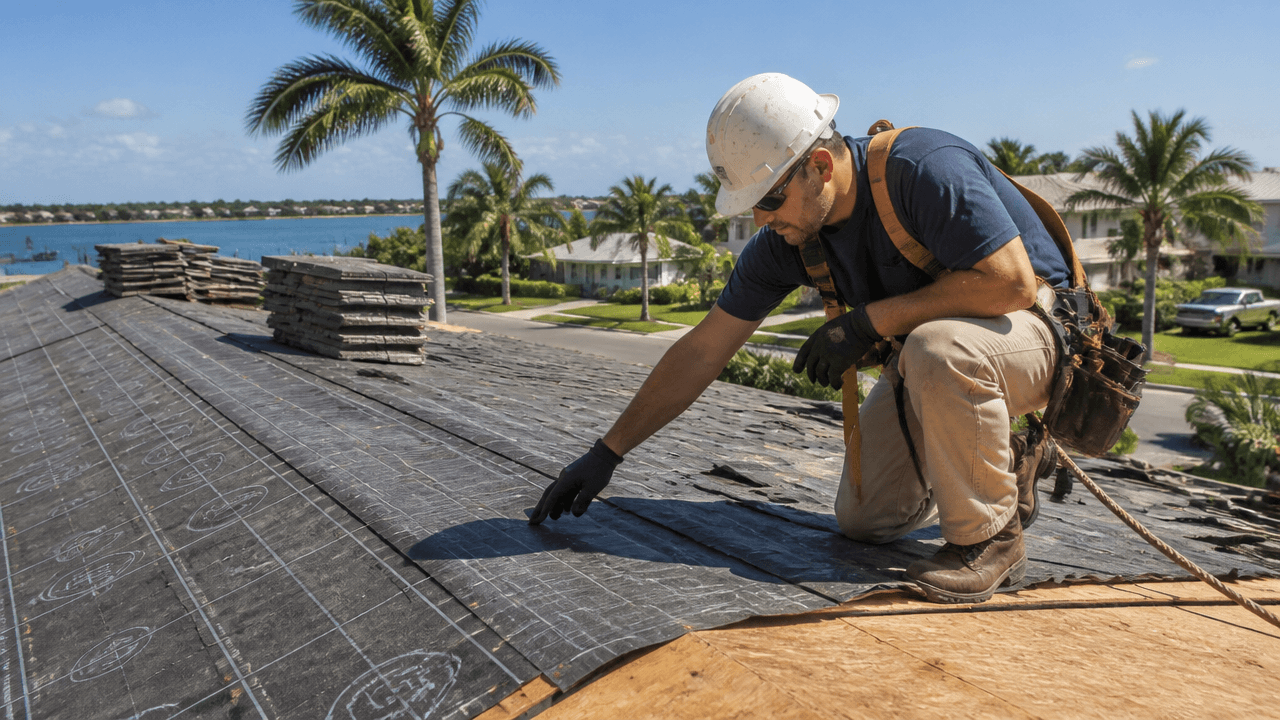
While quality is crucial, so is correct installation by a professional roofing contractor experienced in hurricane-rated shingle standards. An expert will ensure that not only are the right materials used, but that they are also installed properly to resist the uplift and pressure changes common in hurricanes. Poor installation can lead to premature failure, defeating the purpose of investing in high-quality shingles. It’s advisable to consult with proven professionals like GM Roofing to guarantee your installation adheres to all the safety regulations, giving your home the fortress-like protection it needs.
Step 1: Understand Hurricane Ratings for Roofing
Begin by learning about the different hurricane ratings and standards for roofing materials. Research how these ratings are determined and the minimum requirements for shingles to be considered hurricane-rated in areas like Palm Beach Gardens, FL.
Step 2: Evaluate Your Current Roofing
Inspect your current roofing situation to determine if your shingle standards meet the local code for hurricane ratings. Look for signs of wear and tear, potential vulnerabilities, and the age of your roof.
Step 3: Select the Right Hurricane-Rated Shingles
Choose the right type of hurricane-rated shingles for your home by comparing different brands and types. Ensure that they comply with the local building codes and are designed to withstand the specific wind speeds of hurricane seasons in Florida.
Step 4: Find a Qualified Contractor
Hire a licensed contractor with experience in installing hurricane-rated shingle standards. Confirm that they understand local regulations and can provide a proper installation that ensures maximum protection.
Step 5: Prepare for Installation
Prepare your property for the shingle installation. This might include clearing the surrounding area, protecting landscaping, and ensuring access to the roof.
Step 6: Roof Installation Process
Monitor the installation process to ensure that the shingles are installed according to the manufacturer’s guidelines and local regulations. Verify that proper nailing techniques are used and that there’s appropriate underlayment and flashing in place.
Step 7: Inspection and Certification
After installation, have your new hurricane-rated shingles inspected by a local inspector or professional to certify that they meet all safety standards and local codes for your area.
Step 8: Ongoing Maintenance and Monitoring
Engage in regular maintenance and monitoring of your hurricane-rated shingles to maintain their standards. Check for damages or potential issues promptly after any storm, and schedule regular inspections with a roofing professional.
Avoiding Common Installation Missteps
When it comes to reinforcing your home against fierce storms, even the smallest oversight can have serious repercussions. Many homeowners endeavor to fortify their roofs, only to fall prey to common, yet avoidable mistakes. Below, we outline some frequent misjudgments that can undermine the protective capabilities of hurricane-rated shingles, with guidance to steer clear of these pitfalls.
Mistake 1: Neglecting Local Building Codes
Many DIY enthusiasts mistakenly ignore local codes for hurricane-rated shingles. Such codes exist to ensure that all roofing materials and installation processes stand up to specific regional weather challenges. Avoid this by thoroughly researching Palm Beach Gardens’ requirements or consulting with local authorities.
Mistake 2: Improper Shingle Selection
Choosing shingles based solely on aesthetics rather than durability and wind resistance is a common misstep. This often results in suboptimal protection when severe weather strikes. To prevent this, compare different brands and select shingles that are specifically rated for hurricane-prone areas.
Mistake 3: Skimping on Certified Installation
Homeowners may attempt to save money by not hiring a certified contractor with experience in installing hurricane-rated shingles. Unfortunately, this can lead to installations that fail under hurricane conditions. Always opt for a licensed professional who understands the demanding nature of the job.
Mistake 4: Overlooking Regular Maintenance
Failing to maintain a roof post-installation can quickly negate the benefits of your hurricane-rated shingles. Regular inspection and maintenance are essential to keeping your roof in top condition. Schedule annual check-ups and perform immediate inspections after major storms to ensure longevity and efficacy.
Securing a Reliable Roof Installation
After selecting the perfect hurricane-rated shingles, the next crucial step is to ensure they are installed impeccably. This means enlisting a licensed and trustworthy contractor who specializes in hurricane-rated roofing systems. To facilitate this, GM Roofing offers comprehensive services, including expert roof installation, ensuring that every shingle is correctly placed to meet the high standards required for hurricane resistance.
Maintaining the Standard
Even after a successful installation, the responsibility to protect your home doesn’t end. Regular inspections and maintenance are key to prolonging the life of your hurricane-rated shingle roof and ensuring ongoing compliance with safety standards. Homeowners should schedule annual inspections with qualified professionals, keeping their roofs in top condition and ready to face any storm season.