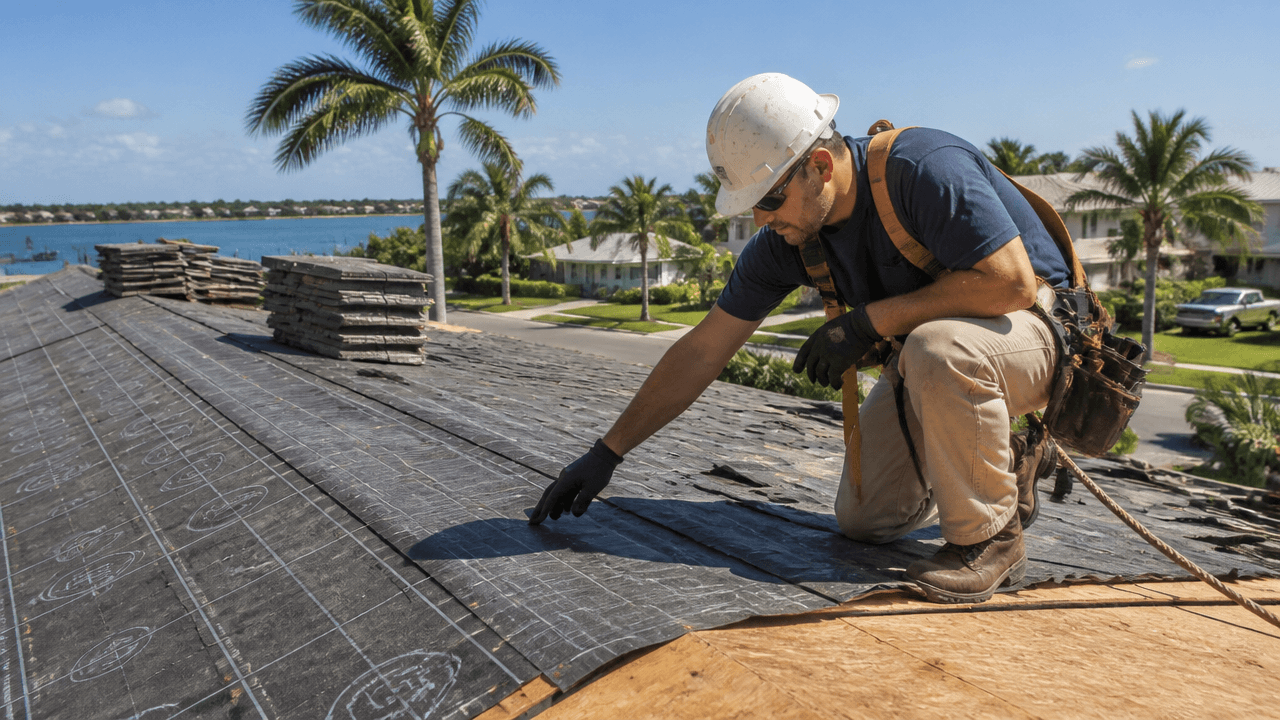
Understanding the Effects of Thermal Expansion
As the Florida sun climbs high and temperatures soar, homeowners in West Palm Beach might not be aware of a silent phenomenon that could critically affect the durability of their homes—thermal expansion in metal roofs. With each degree of temperature increase, metal roofs are prone to expand, a natural occurrence that, if improperly managed, could lead to costly repairs. It’s a subtle yet relentless process that can strain the roof’s materials, asserting the urgency to grasp its impact on your property fully. Recognizing the signs of expansion-related stress, such as warping or unusual noises from the roof, is the first step in safeguarding your home. Knowledge of these indicators is essential for effective early detection, without which the longevity and safety of a metal roof can be severely compromised.
Delving further into this matter reveals how the integrity of a metal roof is tested daily. Expansion and contraction are not mere scientific terms but real-world events that manifest in visible and hidden ways upon the expansive surfaces above our heads. Seams and fasteners bear the brunt of this relentless movement, hinting at the necessity of expertise in both installation and maintenance to preempt possible damage. Discernment through first-hand observation is invaluable; for example, a roof that appears taut during the day may be subtly shifting overnight, potentially widening gaps and loosening components. Hence, proactivity in addressing these signs is not just recommended but mandatory for long-term roof welfare.
For residents of West Palm Beach, the cooler relief of the evening does not exempt one from the daytime’s lingering effects on metal roofs. The span from peak heat to nocturnal cool-down illustrates the dynamic nature of roofs exposed to fluctuating climates. Within the scope of a year, the cumulative impact can become significant, emphasizing the need for urgency and attentiveness from homeowners. Equally crucial is selecting materials and employing construction techniques that account for the thermal tendencies of metal. By approaching this issue with the seriousness it demands, homeowners can expect to avert the silent but potent threats posed by temperature-induced changes.
Maintenance and Prevention Strategies
The concept of thermal movement in roofing may seem abstract until you witness the physical changes in your roof. Metal materials can typically shift up to half an inch for every 100 feet when temperatures change. The thought that your roof quietly contracts in the coolness of the night and then stretches out under the midday sun can seem rather unsettling. This is a primary reason why regular inspections and expert maintenance are crucial for the health of your roof. An inspection in the hands of skilled professionals can arrest the gradual wear and tear brought on by thermal cycling before it evolves into a genuine threat to your roof’s structural integrity.
Preventative care can substantially minimize the risks metal roofs face due to thermal expansion. By selecting the correct type of materials and understanding their properties, homeowners can rest assured that their roofs are more resilient against the forces of nature. Factors such as the type of metal used, the design of the roofing system, and the nature of the insulation all play significant roles. For instance, certain metals like aluminum or steel offer more flexibility and can better accommodate the ongoing stress of expansion and contraction. With knowledge of such subtleties, property owners can make more informed decisions about their roof installation.
When it comes to roof maintenance, the adage ‘an ounce of prevention is worth a pound of cure’ rings exceptionally true. Addressing the minute signs of wear can offset more significant issues in the future, saving homeowners from unnecessary outlays of time and resources. Homeowners should also consider the choice of fasteners, sealants, and the installation techniques which can enhance the capacity of a metal roof to withstand thermal movement. Properly selected and installed expansion joints, for example, can provide the necessary space for a roof to move without causing distress. It’s these sorts of details that can make all the difference in the longevity and performance of a roof subjected to thermal expansion.
Insights From The Experts
Tip 1:
Choose materials wisely. Opt for metals like copper, steel, or aluminum, which have properties that cope well with expansion and contraction, thus reducing the potential for damage over time.
Tip 2:
Employ skilled installers. Ensure that the team working on your roof is knowledgeable about thermal movement and uses installation practices that accommodate this natural phenomenon.
Tip 3:
Implement regular roof inspections. Have an expert check your roof bi-annually to identify any issues early on, preventing costly repairs or replacements linked to thermal expansion mishaps.
Tip 4:
Consider the climate. If you’re in an area with extreme temperature variations, discuss thermal barriers and expansion joints with your roofing specialist to reduce the risk of damage.
Tip 5:
Stay proactive with maintenance. Address minor repairs promptly to avoid larger issues, as even small compromises can become significant under the stress of thermal expansion and contraction.
Expert Insights on Metal Roofing
How does thermal expansion affect the longevity of metal roofs in varying climates?
Thermal expansion can lead to material fatigue and structural issues in metal roofs if not properly managed, potentially reducing their lifespan in extreme climates.
What are the signs that indicate thermal expansion has damaged my metal roof?
Look out for distorted panels, widened seams, popped rivets, or screw fasteners that may have become loose, as these are common indicators of damage caused by thermal expansion.
Can regular maintenance prevent the adverse effects of thermal expansion on metal roofs?
Yes, consistent maintenance allows for the early detection of issues and facilitates adjustments to accommodate thermal movement, thereby mitigating long-term damage.
Are there specific metal roofing materials that are more resistant to thermal expansion?
Metals like copper, aluminum, and alloy-coated steel generally offer greater resistance to thermal expansion due to their inherent flexibility and expansion coefficients.
What are the best practices for installing metal roofs to accommodate thermal expansion?
It is crucial to allow for adequate spacing for expansion and to use appropriate fastening systems that enable movement without compromising the roof’s integrity.
Concluding Expert Advice
Wrapping up our discussion, it becomes increasingly clear that the science behind thermal expansion in metal roofs is not just a matter of academic interest but a significant concern for homeowners. The stakes are high, as the roofs over our heads are daily affected by nature’s thermal dynamics. As with most home maintenance issues, early detection and intervention can stave off substantial future damage. Knowledge is the homeowner’s best defense against the stealthy creep of metal expansion and its potential aftermath. Armed with the right information, residents can secure their investment and ensure a reliable, sturdy shelter for years to come.
An essential step in this process is to tap into the right expertise, starting with a trusted local company. A reputable provider understands the unique challenges West Palm Beach homeowners face regarding their roofing needs. These specialists bring both the regional insights and the technical knowledge necessary to navigate the complexities of roofing materials and structural design. For those seeking assurance and peace of mind, professional roof repair services can offer a thorough evaluation and tailored solutions. Taking proactive measures with an expert can turn the tide against potential roofing woes.
Ultimately, securing your roof against the effects of thermal expansion involves a blend of foresight, regular care, and selecting the highest quality services. Homeowners should remain vigilant, observing the subtle cues that signal thermal stress to their roofs. By partnering with seasoned professionals and availing of quality installation and repair services, you can rest assured that your metal roof is not just a purchase but a robust, long-term investment. As a lasting thought, remember that the integrity of your roof is a cornerstone of your property’s welfare, reflecting the value of expertise and quality craftsmanship in every panel and seam.