• A new construction roof needs careful planning, timing, and inspection to avoid delays and future problems.
• The roofing process includes framing checks, underlayment, flashing, material installation, and a final review.
• These tips help builders and property owners in Fort Pierce, FL make smart roofing decisions from the start.
Why the roofing process matters
A new build can move fast, but the roof cannot be rushed. When the roofing stage is delayed or done poorly, the rest of the project can stall and extra costs can follow. In Fort Pierce, FL, weather shifts can also put added pressure on timing, which makes planning even more important.
Knowing the new construction roofing process explained helps owners, builders, and property managers make smarter choices early. It is easier to avoid problems when each step is handled with care and on schedule. For more about our services, you can visit our roof installation page as you plan ahead.
A strong roof starts with a solid plan, not just materials on the job site. From layout to final inspection, each step affects how well the roof performs over time. That is why we treat the roofing phase as a key part of the whole build, not just a final task.
How we handle each roofing stage
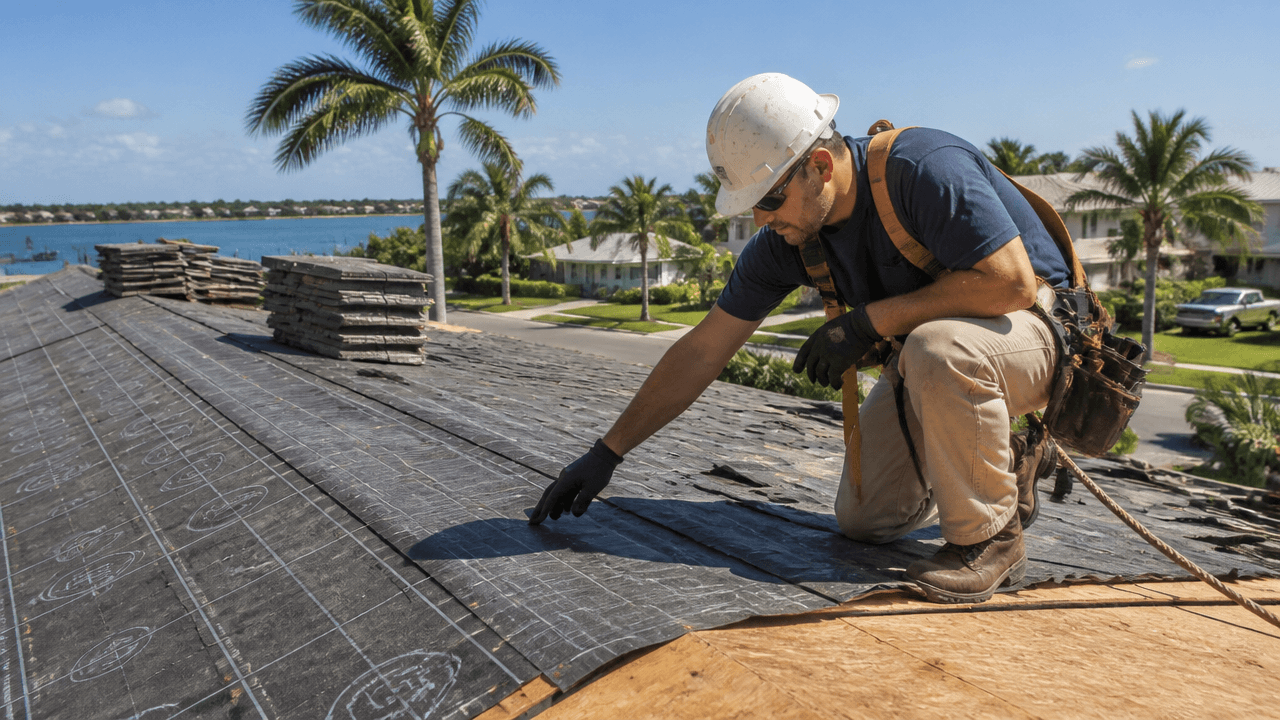
We begin by checking the build details, roof design, and project timing so the work fits the structure. Once the framing is ready, we move into underlayment, flashing, and shingle or panel placement based on the design and local needs. This step-by-step approach helps reduce mistakes and keeps the work moving in the right order.
Weather planning matters in Fort Pierce, FL, especially when heat, rain, and storms can change a job schedule quickly. We also pay close attention to code rules and roof ventilation, since those parts affect long-term roof life and comfort inside the building. If you need a broader look at what we offer, our services page is a good place to start.
Tips from the Pros
📋 Tip 1: Plan the roof before the walls close in
A roof project moves smoother when the schedule is set early. This helps avoid delays when crews, materials, and inspections all need to line up.
🔎 Tip 2: Check the framing first
The roof can only perform well if the framing is square and ready. Small framing issues can lead to bigger problems once the roofing material goes on.
🌧️ Tip 3: Watch the weather window
Rain and strong storms can interrupt new roof work and leave parts of the structure exposed. In a place like Fort Pierce, FL, timing the work around weather is a smart move.
🛠️ Tip 4: Use the right underlayment
Underlayment adds an extra layer of protection between the roof deck and the outer material. It helps keep moisture out while the rest of the roof system is completed.
📐 Tip 5: Make flashing a priority
Flashing protects weak spots around vents, valleys, and edges. These areas are where leaks often start if the details are missed.
👷 Tip 6: Keep the site clear
A clean work area helps the crew move safely and finish faster. It also lowers the chance of damage to materials before the roof is fully installed.
✅ Tip 7: Do not skip the final check
A final inspection helps catch loose edges, missed seals, and other issues before the project is handed over. This step is a key part of the new construction roofing process explained in simple terms.
🧾 Tip 8: Keep records of every step
Good records make it easier to track materials, dates, and inspection results. They also help if questions come up later about the roof build or warranty.
Frequently Asked Questions
What is the new construction roofing process?
Yes, it is the step-by-step method used to install a roof on a brand-new building. It usually includes planning, framing checks, underlayment, flashing, roofing material installation, and a final inspection.
How long does a new construction roof take?
Yes, the timeline depends on the roof size, material, weather, and project schedule. In many cases, a straightforward residential roof can move quickly once framing and materials are ready.
Why is underlayment important in a new roof?
Yes, underlayment is important because it adds protection under the outer roofing material. It helps guard the deck against moisture if rain hits before the full roof system is finished.
What problems can happen during roof installation?
Yes, the most common issues are poor timing, missed flashing, uneven framing, and weather delays. These problems can lead to leaks, rework, or a roof that does not last as long as it should.
How do I know if my builder needs roof installation help?
Yes, you need roof installation help if the project requires a planned, code-aware roofing crew to handle the job. A professional team can keep the work on schedule and make sure the roof is built to fit the structure properly.
Final Thoughts on New Roof Planning
A new roof is one of the most important parts of any build, so careful timing and good workmanship matter from the start. When each stage is handled the right way, the roof is more likely to protect the property for years to come. That is especially true in Fort Pierce, FL, where weather can quickly test a roof that was not built with care.
If you are planning a new build and want a roofing team that understands the local conditions, we are ready to help. Learn more about what we do and follow us on social media.