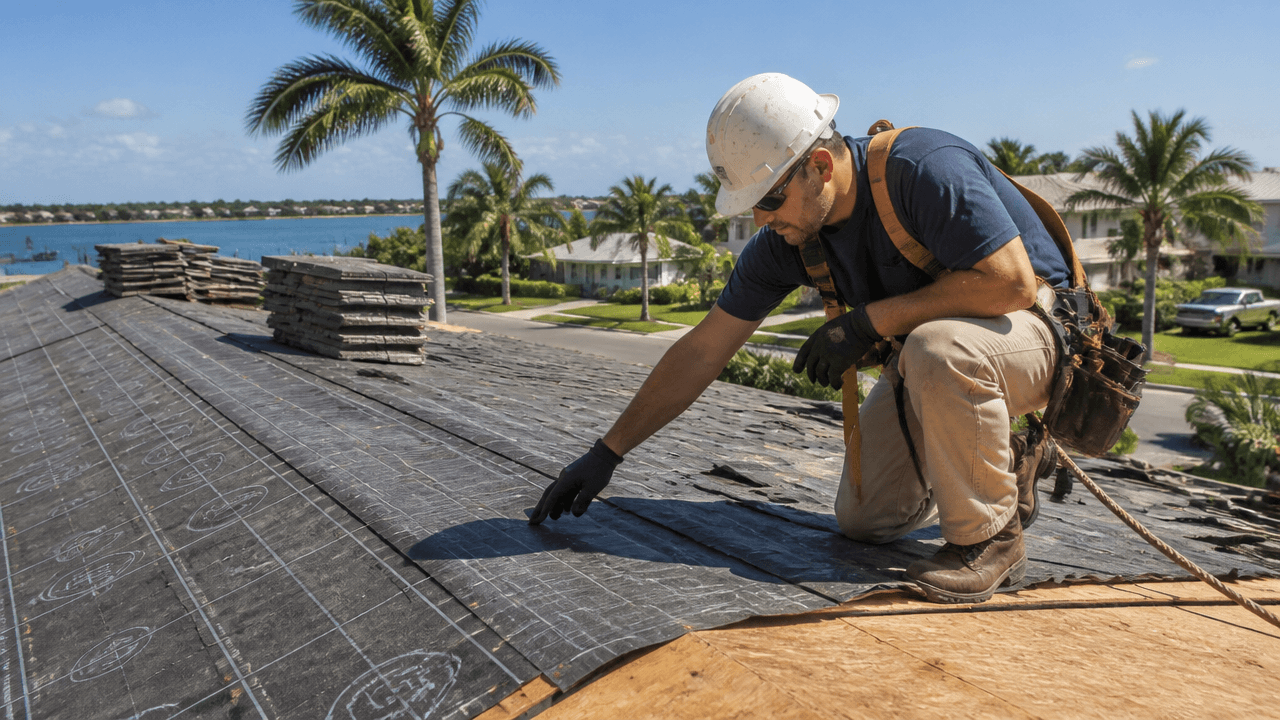
• Learn essential steps to prepare your roof for the hurricane season in Hobe Sound, Florida, ensuring maximum safety and damage prevention.
• Discover common DIY mistakes to avoid in roof preparation and maintenance, saving time and costs while protecting your property.
• Find professional guidance and up-to-date information on roofing projects and news by visiting GM Roofing’s social media page.
Recognizing Early Warning Signs
Before delving into our guide on preparing roofs for hurricane season, it’s crucial to identify the signs that suggest your roof requires attention. A visual inspection can reveal a lot about the state of your roof; missing or damaged shingles are a clear indicator that repairs are needed before Hobe Sound’s stormy weather hits. Noticing areas where water pools or finding granules from shingles in gutters are signs of wear that could lead to leaks under the relentless Florida rains. It’s not just about the roof covering; other elements such as compromised sealant or rusted flashing around roof penetrations could spell trouble when tested by high winds and rain.
Inspecting Gutters and Drainage
Moving on to the next critical step, ensuring your gutters and downspouts are debris-free, cannot be overlooked. Backed-up gutters can cause water to seep under your roofing materials, compromising the roof’s structural integrity. Gutters clogged with leaves, twigs, or nests will inevitably lead to issues, especially in an area like Hobe Sound where pre-hurricane season rains are a regular occurrence. Regular cleaning, ideally at the start of the season, will go a long way in mitigating potential roof damage.
Securing Your Home’s Periphery
As part of your roof preservation efforts, attention must also be turned to the immediate surroundings of your home. Overhanging tree limbs pose a threat; they can become forceful projectiles during a hurricane, potentially damaging your roof or breaking through it. Similarly, ensure all loose objects in your yard, from patio furniture to gardening tools, are either secured or stored inside to prevent them from becoming airborne hazards during a storm. Taking these proactive steps not only protects your roof but also safeguards your entire property.
Consistently applying these measures will set a solid foundation for the rest of the steps laid out in the guide, ensuring that your home’s first line of defense against the elements is as robust as it can be.
Fortifying Structural Integrity
When it comes to reinforcing your home against the harsh elements, installing hurricane straps or clips is a key line of defense. These metal connectors enhance the stability of your roof by firmly anchoring it to the house frame, drastically reducing the risk of uplift during powerful storm winds. While this installation is technical, homeowners should not fret, as professional services like those at GM Roofing are well-equipped to handle such upgrades. Ensuring your property is secured by these strongholds gives you peace of mind as the hurricane season approaches, knowing you’ve taken substantial precautions.
Maintaining the Roof’s Seal
Another vital aspect that mustn’t be overlooked is the state of your roof’s flashings. These thin pieces of metal play a crucial role in directing water away from areas prone to leaks, like vents, chimneys, and skylights. Inspect these carefully for any signs of damage or inadequate sealing, as a well-sealed roof is critical when facing the relentless downpour of a tropical storm. Taking the time to address these key areas before the season’s peak can prove invaluable, preventing water intrusion and the myriad issues that come with it.
Step 1: Assess Your Roof’s Current Condition
Begin by inspecting your roof to determine its current state. Look for missing or damaged shingles, signs of leaks, or areas where water pools. Consider consulting with a professional roofer from GM Roofing for an expert opinion.
Step 2: Clear Gutters and Downspouts
Ensure your gutters and downspouts are clear of debris to prevent water backup. This is crucial in Hobe Sound, FL, where heavy rains can occur during the hurricane season.
Step 3: Trim Trees and Secure Loose Objects
Trim back any branches that could potentially fall on your roof during a storm. Also, secure or store any objects around your property that could become airborne and cause damage.
Step 4: Install Hurricane Straps or Clips
Consider installing hurricane straps or clips, which can provide additional stability to your roof structure by securely attaching it to the frame of the house.
Step 5: Check and Seal Flashings
Inspect the flashings around vents, chimneys, and skylights. Ensure they’re well-sealed to prevent water from penetrating your roof during a storm.
Step 6: Reinforce Garage Doors
A garage door should be sturdy and braced properly, as it is a common point of entry for strong winds which can cause pressure changes that affect a roof’s integrity.
Step 7: Review Insurance Coverage
Review your homeowner’s insurance to ensure you have adequate coverage for hurricane-related damage. Understand your policy and ensure your roof is accounted for in your coverage.
Step 8: Create a Post-Hurricane Plan
After ensuring that your roof is prepared for hurricane season, outline a plan for after the storm. This should include checking for damages and contacting GM Roofing in Hobe Sound, FL for any necessary repairs or assessments.
Avoidable Missteps: Common DIY Roofing Mistakes
When preparing your roof for hurricane season, a well-intentioned DIY approach can lead to costly mistakes if you’re not careful. Often, homeowners may inadvertently exacerbate existing problems or create new vulnerabilities through simple oversights or a lack of expertise. To ensure your roof is truly fortified, be mindful of these common pitfalls and adhere to professional standards in maintenance and repairs.
Mistake 1: Neglecting Regular Inspections
DIYers frequently skip routine inspections, leading to overlooked minor issues that can escalate into major damage. To prevent this, schedule seasonal inspections, particularly before hurricane season, to catch and address potential issues early.
Mistake 2: Improper Gutter Cleaning Technique
Clearing gutters and downspouts is more involved than it seems; careless cleaning can result in damage to the gutters or roof itself. Use appropriate tools and methods, such as using a ladder stabilizer to prevent gutter damage, and gently remove debris without damaging the roof edges or gutter system.
Mistake 3: Overlooking Loose Objects Around the Property
Many homeowners recognize the need to trim trees but forget to secure other items that can become dangerous projectiles. Ensure you stow away or properly secure all outdoor objects, not just the obvious ones like patio furniture but also smaller items such as potted plants and garden tools.
Mistake 4: Incorrect Installation of Hurricane Straps or Clips
While adding hurricane straps or clips is a proactive measure, improper installation can render them ineffective. Always follow manufacturer guidelines or, for peace of mind and guaranteed efficacy, hire professionals like GM Roofing to install them correctly.
Mistake 5: Failing to Adequately Seal Flashings
It’s critical to ensure that roof flashings are properly sealed as part of regular roof maintenance. Using the correct sealant and application method is key; consider consulting a professional to ensure it’s done correctly and to maintain the integrity of the seal.
Mistake 6: Disregarding the Condition of the Garage Door
A weak garage door can become a significant risk during a hurricane; it should be properly braced and reinforced. Do not assume your garage door is hurricane-ready; inspect and upgrade it as necessary to meet safety standards.
Mistake 7: Not Understanding Your Insurance Policy
Assuming all aspects of hurricane damage are covered can be a grave error. Carefully review your insurance policy to understand what is and isn’t covered, including specific clauses about roof damage.
Mistake 8: Not Having a Post-Hurricane Action Plan
Finally, lacking a clear plan for post-hurricane assessment and repair can lead to delays in addressing damage. Document a comprehensive checklist of post-storm steps, including immediate inspection and contacting professionals like GM Roofing for any necessary repair work.
Ensuring Coverage and Peace of Mind
As a homeowner, one of your top priorities should be to review your insurance coverage before the hurricane season hits. Ensure that your policy encompasses damage caused by hurricanes, particularly ensuring your roof is specifically accounted for. Knowing the details of your coverage provides reassurance that, should the unexpected occur, the financial impact will be minimized.
Formulating a Post-Hurricane Strategy
After taking all the necessary steps to prepare your roof for hurricane season, don’t forget to develop a post-hurricane plan. This plan should include a thorough inspection of your roof for any damage and a designated professional roofing service for swift repairs. GM Roofing, found at their specialized repair services page, should be part of your go-to resources for post-hurricane support in Hobe Sound, FL.